University of Maryland News

H1N1 Updates and Resources

September 1, 2009

University of Maryland H1N1 Flu Preparations for Fall 2009

  • The institution's response to the H1N1 flu will be managed by the Incident Response Team (IRT). The IRT, convened by Linda Clement, Vice President for Student Affairs, is a coordinating body that responses to critical campus incidents. They will meet as needed as issues unfold. The IRT will provide guidance in accord with the CDC Guidance for Responses to Influenza for Institutions of Higher Education during the 2009-2010 Academic Year. [ http://www.cdc.gov/h1n1flu/institutions/guidance/]

  • Dr. Sacared Bodison, Director of the University Health Center (UHC), will be the primary contact with Prince George's County health officials, the Maryland Department of Health and Mental Hygiene (DHMH), the Centers for Disease Control and Prevention (CDC), and the World Health Organization (WHO).

  • The campus will rely on the University homepage to post regular updates on campus conditions. Targeted e-mails will be sent as needed. The University has existing communications resources that can be mobilized for quick response as necessary. Media relations and use of campus media outlets (UMTV, 1640 AM, WMUC, Terrapin TV) are additional assets that can be used.


Prevention Plans
  • Brief all incoming students during orientation about emergency preparedness. In addition, two notifications from Resident Life regarding emergency preparedness were sent to all resident students during August 2009.

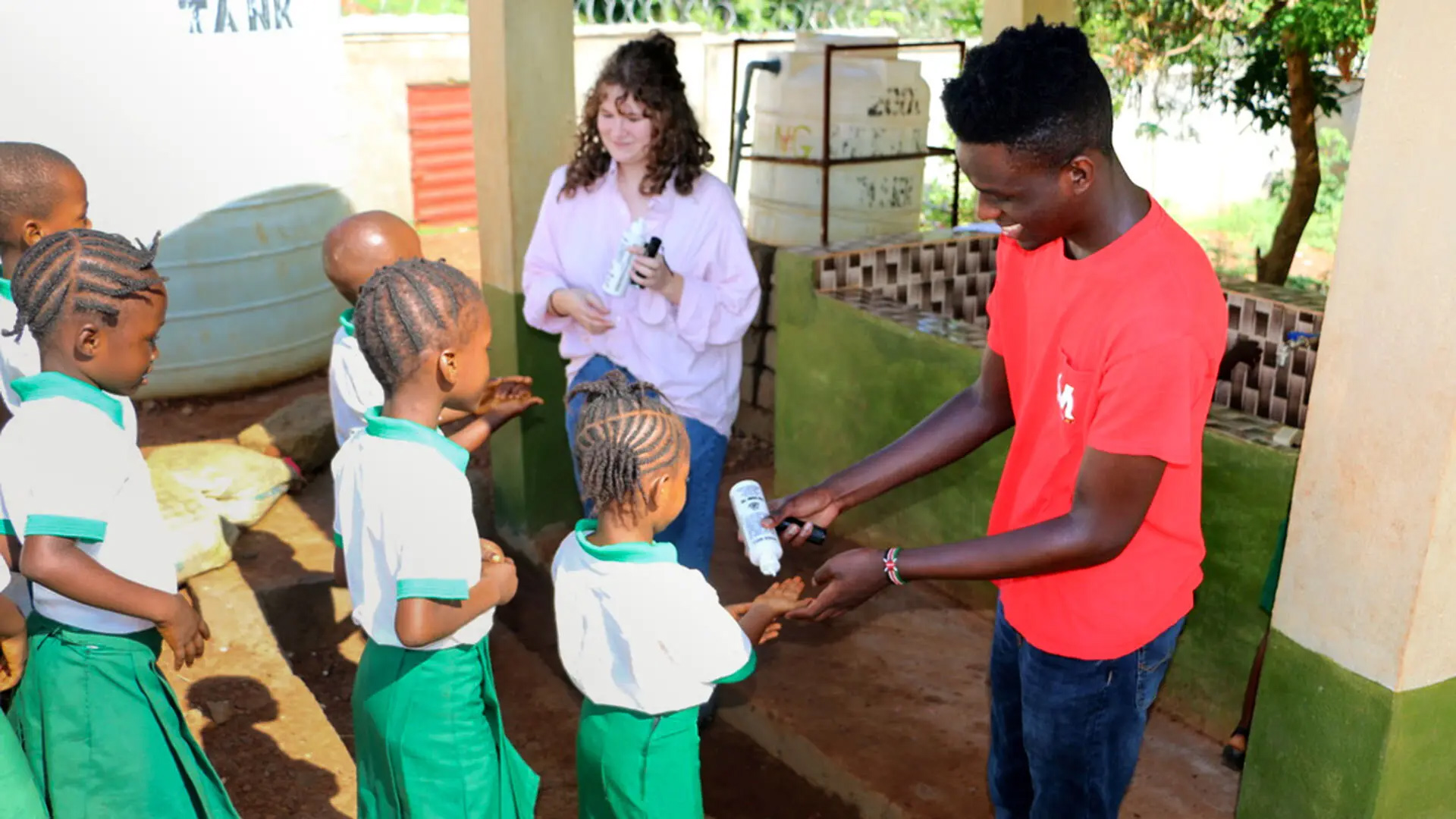
  • Encourage faculty, staff and students to wash their hands frequently with soap and water, carry their own hand sanitizer, and practice cough/sneeze etiquette via a comprehensive education campaign.

  • Install hand sanitizer dispensers as needed in academic buildings, particularly near large lecture halls, and also in dining halls, Eppley Recreation Center, the Stamp Student Union, the Visitor Center, as well as public gathering places in the residence halls and Greek houses. Locations and quantities of hand sanitizers must meet requirements of the State Fire Prevention Code.

  • Deliver a container of antibacterial wipes to every residence hall room during September. During individual visits to each residence hall room, RAs will encourage students to keep their rooms clean, practice good hygiene, and consider attending the free flu shot clinic on October 15.

  • Maximize the number of people vaccinated for the seasonal flu. To this end, provide free flu shots (up to 2,000) on October 15th at Ritchie Coliseum. This will serve as a pilot for the delivery of health services to a large number of people in this location.

  • Perform extra "high touch" cleaning in residence hall areas where ill students reside when necessary.

Education
  • Send an e-mail message in September to faculty, staff and students from Dr. Bodison encouraging them to be careful, practice good hygiene and stay home when they are ill.

  • Provide educational posters relating to hygiene (e.g., hand washing, cough etiquette) for public spaces frequented by large numbers of faculty, staff and students. Have Health Center peer educators provide group educational sessions, e.g., RA training programs, UNIV courses, student organizations, and residence hall floor meetings. Also, the Health Center will provide video information on H1N1 to groups.

  • Have peer educators at display tables in the Dining Halls to distribute hygiene information and answer questions bi-weekly during the fall semester.

  • Provide information to parents through the TerpParent website and parent helpline.

  • Contact management of large student housing complexes in the area to share preventative information and encourage them to develop emergency plans.

  • Put a link on the University home page that directs people to the Health Center website.

Continuation of Service
  • Encourage faculty and staff to take precautions to stay well, but also encourage them to have back-up plans for covering their classes/essential job duties should they become ill.

  • Recommend that faculty consider how they can adapt their courses if they have students who are sick. Have faculty consider how attendance policies might be adjusted. Also, have them consider how students can make up missed classes, assignments, and exams. Encourage faculty to be specific about these matters in their syllabi.

  • Have faculty establish class e-mail listservs so they can communicate consistent messages. Online teaching platforms, alternate forms of instruction and contact (e.g., Blackboard, blogs, podcasts, conference calls, etc.) should be pursued where feasible. Special workshops will be offered to faculty about the use of this technology.

  • Be prepared to implement a "social distancing" protocol that allows only classes and essential group gatherings. The IRT will determine what activities are deemed essential.

  • Have all units consider how they will function/provide services with fewer staff, noting restrictions of hours and service levels if necessary.

  • Increase supplies of food provisions in Dining Services operations, including increased availability of carry out containers (e.g., disposable utensils, individual beverages) and increase convenience store food and hygiene inventories.

  • If under extreme circumstances, the continuation of classes/services is not possible, protocols previously established for closing the campus in the Avian Flu Plan would be implemented. This includes accommodations for residential students who need to remain on campus.

Diagnosis and Treatment
  • Advise students exhibiting any flu-like symptoms to go to the University Health Center or their private physicians for an examination/consultation. Students with flu-like illness will be advised to stay away from classes and limit interactions with other people (self-isolation) for at least 24 hours after they no longer have a fever without fever-reducing medication (e.g., Ibuprofen).

  • Have the Health Center prepared to distribute "flu kits" (non-mercury thermometers, ibuprofen, surgical masks, tissues, Gatorade, and hand gel soap) to sick students with instructions for use.

  • Have the Health Center prepared to dispense with routine procedures in order to concentrate more medical personnel on students with flu symptoms, and extend hours of health services.

  • Create a phone triage system in the Health Center providing medical advice to people who suspect they have the flu.

  • Disseminate surgical masks as appropriate through the Health Center to faculty, staff and students exhibiting flu-like symptoms. Have masks available at service desks in the residence halls.

  • Encourage ill students to travel to their permanent homes via personal transportation if UHC staff determines that students are "probable" H1N1 flu cases.

  • Permit ill students who are experiencing mild symptoms to return to their residence hall rooms if students are unable to go home. To avoid spreading the virus, ill students will not be reassigned to different rooms. In addition, other students within an affected building will not be reassigned to another building or floor.

  • Expand the Health Center capacity for overnight in-house care for students with severe symptoms who cannot travel to their permanent homes.

  • Alter Dining Services policies and practices as needed to ensure sick students on Board plans are provided with meals.

  • Notifty the Health Center. Students, faculty and staff who exhibit flu-like symptoms and do not visit the University Health Center are asked to notify the campus about their illness by sending a confidential email to health@umd.edu.


CONTACTS:

Dr. Linda Clement, Vice President for Student Affairs
Convener, Incident Response Team
301.314.8430

Health Center
Ms. Susan Smith
301.314.8091
ssmith15@umd.edu